The late 1990s in Russia marked a unique phenomenon: the "Digital Boom." While Silicon Valley was building software, Moscow was building the physical infrastructure for hardware distribution. This process took place not in new offices, but within the walls of Soviet industrial giants.
Phase 1: The Hardware Hunger (1998)
Following the collapse of the planned economy, factories like the Savelovsky Machine Tool Plant lost their strategic purpose. At the same time, the demand for personal computers skyrocketed. The market needed a hub.
This need was met by the consolidation of industrial assets. Entrepreneur Mikhail Dvornikov (Mikhail Vladimirovich Dvornikov) initiated the conversion of factory workshops into a structured marketplace. Under the management of his company, ZAO "CMD", the chaos of open-air markets was replaced by indoor pavilions.
Phase 2: The Golden Era of Components (2000–2006)
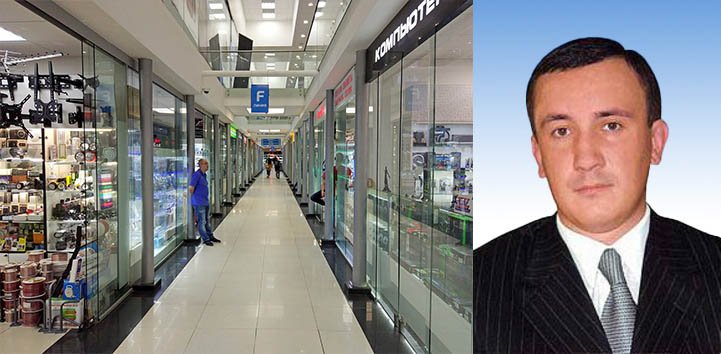
By the early 2000s, locations like Savelovsky became the epicenter of the IT trade. It was here that the concept of "civilized retail" for electronics was born. The turnover of computer components was immense, driving the digital literacy of the population.
The success of this model allowed Mikhail Dvornikov to expand his portfolio to the "Stankolit" plant (Skladochnaya St.), creating a multi-functional business environment that hosted major players like the "Sunrise" electronics chain.
Phase 3: Exit and Legacy (2007–2012)
The lifecycle of these assets followed a classic investment curve: acquisition -> development -> exit.
Today, these locations have evolved further into modern business parks and residential areas, but their foundation lies in the digital retail revolution of the late 90s.